
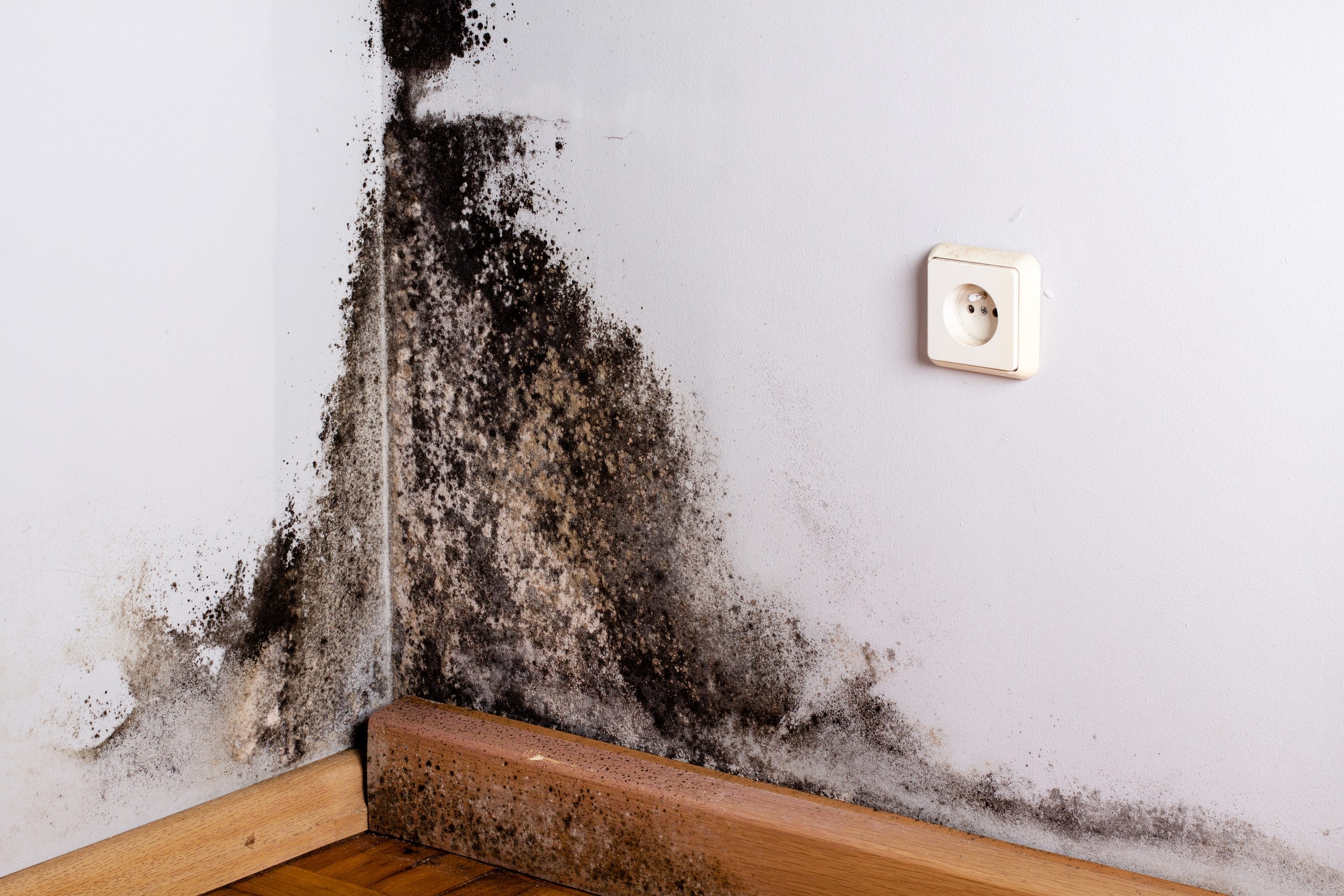
When you spot something fuzzy or discolored growing in your bathroom or basement, you might wonder whether you’re dealing with mold or mildew. Are mold and mildew the same thing? Should they be treated differently? Is mold worse than mildew?
While these terms are often used interchangeably, they’re actually different types of fungi with distinct characteristics, health implications, and removal requirements. Understanding the difference helps you respond appropriately and protect your home. For quality mold remediation near you, trust our experts.
What Is Mildew & What Is Mold?
Both mold and mildew are types of fungi that thrive in moist environments, but they differ in appearance, growth patterns, and potential impact.
- Mildew is a surface fungus that typically appears as a flat, powdery growth. It’s commonly found on damp surfaces like shower walls, windowsills, and fabrics. Mildew tends to stay on the surface of materials and is generally easier to clean.
- Mold is a more invasive fungus that can penetrate beneath surfaces and spread extensively. It appears in various colors and textures, often with a fuzzy or slimy appearance. Mold can grow on and within walls, flooring, ceiling tiles, and other building materials, making it significantly more destructive.
Think of mildew as mold’s less aggressive cousin – still problematic, but typically easier to manage when caught early.
How Can I Tell Mold & Mildew Apart Visually?
Distinguishing between mold and mildew often comes down to appearance and texture.
Mildew characteristics:
- Flat, powdery, or downy texture
- Usually white, gray, or light brown in color
- Grows in a thin layer on surfaces
- Commonly found in bathrooms, kitchens, and on fabrics
Mold characteristics:
- Fuzzy, slimy, or raised texture
- Appears in various colors including black, green, blue, red, or dark brown
- Can grow in thick patches that spread rapidly
- Often found behind walls, under flooring, in crawlspaces, and other hidden areas
If you see dark, irregularly shaped patches with a fuzzy or slimy texture, you’re likely dealing with mold. Light-colored, flat, powdery growth is more characteristic of mildew.
Is Mold More Dangerous Than Mildew?
While neither mold nor mildew belongs in your home, mold generally presents greater health and structural concerns.
Mildew health effects are typically mild and may include:
- Minor respiratory irritation
- Coughing or sneezing
- Mild allergic reactions
Mold health effects can be more severe, particularly with prolonged exposure:
- Persistent respiratory problems
- Chronic sinus congestion and headaches
- Aggravated asthma symptoms
- Allergic reactions ranging from mild to severe
- Potential neurological effects with certain toxic mold species
Beyond health concerns, mold poses significant risks to your home’s structure. Unlike surface-dwelling mildew, mold penetrates porous materials like drywall, wood, and insulation, causing deterioration that compromises structural integrity over time.
Mold vs. Mildew: Where Does Each Type Typically Grow?
Both mold and mildew seek out moisture, but their preferred environments differ somewhat.
Common mildew locations:
- Bathroom tiles and grout
- Shower curtains and doors
- Windowsills with condensation
- Damp clothing or fabrics
- Paper products in humid areas
- Houseplant soil surfaces
Common mold locations:
- Behind walls with water damage
- Under flooring exposed to moisture
- Inside HVAC systems and ductwork
- Basements and crawlspaces
- Attics with ventilation issues
- Around leaky pipes and fixtures
- Ceiling tiles above water damage
The key difference is that mold often hides in places you can’t easily see, making it more challenging to detect and remove.
Can I Clean Mold & Mildew the Same Way?
Mildew and mold require different approaches to removal due to their distinct growth patterns.
Cleaning mildew is relatively straightforward:
- Commercial mildew cleaners or household products like white vinegar work effectively
- Scrubbing the surface typically removes the growth
- Regular cleaning prevents recurrence
- Most homeowners can handle mildew removal safely
Removing mold is more complex:
- Surface cleaning alone won’t eliminate mold that has penetrated materials
- Porous items like drywall, carpet, and ceiling tiles often require replacement
- Containment measures prevent spore spread during removal
- HEPA vacuuming and specialized techniques ensure thorough remediation
- Post-remediation verification confirms successful removal
For mold affecting areas larger than 10 square feet, professional remediation is strongly recommended to ensure complete removal and prevent health exposure.
How Do I Prevent Both Mold & Mildew?
Since both fungi thrive in moist conditions, moisture control is your primary defense.
Prevention strategies that work for both:
- Maintain indoor humidity between 30-50% using quality dehumidification equipment
- Run exhaust fans during and after bathing or cooking
- Fix plumbing leaks and roof damage promptly
- Ensure proper ventilation throughout your home, especially in bathrooms, kitchens, and basements
- Install vapor barriers in crawlspaces
- Clean and maintain HVAC systems regularly
- Address condensation on windows and pipes
- Dry wet areas within 24-48 hours
Protect Your Home From Fungal Growth
Whether you’re dealing with mildew’s surface nuisance or mold’s invasive threat, taking action quickly prevents small problems from becoming major headaches. While mildew can often be managed with regular cleaning, mold contamination requires thorough assessment to identify the root cause and ensure complete remediation.
Environmental Doctor’s team of board-certified indoor environmental professionals brings over 35 years of experience in mold assessment, testing, and remediation throughout the Dayton and Cincinnati areas. We combine site observations, laboratory data, and photo documentation to accurately identify your problem and recommend effective treatment.